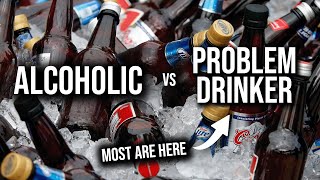
Binge drinkers often don't think they have a problem because they can go weeks without drinking. Dr. Arnold Washton explains why that pattern is actually harder to break.
Here’s something that surprises most people: the majority of people who come to me for help with alcohol problems aren’t daily drinkers. They’re binge drinkers. They can go days, sometimes weeks, without touching a drop. And that’s exactly what makes their pattern so hard to change.
If you’re privately struggling with a binge drinking pattern, you’ve probably told yourself some version of this: “I can’t really have a problem because I don’t drink every day.” That reasoning makes sense on the surface. But after 50 years of treating people with alcohol problems, I can tell you it’s one of the biggest misconceptions I see in my practice.
Key Takeaways
- Binge drinking is actually more common than daily drinking among people seeking treatment for alcohol problems.
- The ability to go days or weeks without drinking creates a false sense of control that keeps people from getting help.
- Most binge drinkers aren’t physically dependent on alcohol, which makes them think their problem “isn’t that bad.”
- The missing “off switch” once drinking starts is the core issue, and it’s harder to fix than stopping a daily habit.
- Treatment for binge patterns focuses on building longer and longer stretches without episodes, not on counting abstinence days.
The Binge Drinker’s Blind Spot
Many people assume that a serious alcohol problem means waking up needing a drink, getting the shakes, drinking around the clock. That picture does exist, but it describes a minority of people who show up for treatment. Physical dependence is actually the less common presentation.
What I see far more often is someone who drinks normally most of the time, or doesn’t drink at all for stretches, but then has episodes where they lose control completely. A young guy who puts away 10 or 15 beers over an evening. A professional who whites-knuckles it through the workweek and then blacks out on Saturday. A parent who goes three weeks without a drink, then finishes two bottles of wine on a Tuesday night and can’t explain why.
These people look at the daily drinker and think, “That’s not me.” And they’re right. But the comparison is misleading. The absence of daily drinking doesn’t mean the absence of a problem.
Why the Pattern Is So Stubborn
In many ways, binge drinking is a harder pattern to break than daily drinking. That sounds counterintuitive, so let me explain.
Someone who drinks every day has a consistent, visible problem. They feel it in their body. People around them notice. The consequences pile up in a steady, hard-to-ignore way. There’s friction every single day, and that friction eventually pushes most daily drinkers toward getting help.
Binge drinkers don’t get that kind of daily feedback. Between episodes, everything looks fine. They go to work, handle their responsibilities, feel physically healthy. They don’t have cravings or urges during the dry stretches. And because of that, they can spend years in what I’d call the “yes, but” stage: “Yeah, well, maybe I drink too much sometimes, but I don’t drink as much as a lot of other people I know.”
That gap between episodes is the blind spot. It creates a convincing illusion of control. You can point to all those dry days as evidence that you don’t really have a problem. And every time you go two or three weeks without drinking, it reinforces the belief that you can stop whenever you want.
But stopping between binges was never the issue. The issue is what happens when you start.
The Missing Off Switch
I hear this from binge drinkers constantly, in almost identical language: “I don’t have a reliable off switch. Once I start drinking, especially in certain situations or with certain people, I can’t stop.”
That’s the core of the problem. It isn’t about whether you can abstain. You’ve already proven you can do that. It’s about whether you can moderate once alcohol is in your system. And for binge drinkers, the honest answer is usually no.
The first couple of drinks lower your inhibitions enough to override whatever plan you had going in. You told yourself two drinks max. But after two, the part of your brain that made that decision is no longer running the show. You’re on autopilot, and the autopilot doesn’t have a stop button.
During the course of a binge, a person is generally just not in control of themselves. They can unwittingly expose themselves to dangerous circumstances. Blackouts are far more common in binge drinkers than in daily drinkers, because the blood alcohol level spikes so rapidly. And what happens during a blackout can range from embarrassing to life-altering.
The “Yes, But” Trap
Fewer than half of people with serious alcohol problems ever show up for treatment. Binge drinkers are overrepresented in that missing half, and the reason circles back to that built-in rationalization system.
“I only drink on weekends.” “I went all of January without drinking.” “I don’t get withdrawal symptoms.” “I’ve never had a DUI.” Each of these statements can be true and completely beside the point.
The real questions are different. What happens when you do drink? Can you reliably keep it to two or three? Have you tried to set limits and failed? Have you had blackouts? Done things while drinking that you wouldn’t do sober? Has someone close to you expressed concern?
Most binge drinkers know the answers to those questions. They just haven’t connected the dots yet, or they aren’t ready to. That’s understandable. Nobody wants to admit that something they enjoy has become something they can’t control. But that window of opportunity, the moment when you’re being honest with yourself about the pattern, doesn’t stay open forever.
When Binge Drinking Brings Other Substances Into the Picture
There’s another layer to binge drinking that doesn’t get talked about enough. For some people, the binge opens the door to other substances.
I’ve worked with many people who describe this pattern: “After I have more than a couple of drinks, that’s when I start thinking about cocaine.” The alcohol lowers their guard, and suddenly a drug they’d never seek out sober becomes appealing. The depressant effects of the alcohol and the stimulant effects of cocaine play off against one another, and what started as a night of heavy drinking turns into something more complicated and more dangerous.
This isn’t unusual. It follows the same off-switch problem. The first few drinks disable the judgment that was keeping the cocaine (or other substances) off the table. Treatment for this kind of combined pattern has to address both the drinking trigger and the secondary substance use, because one feeds the other.
What Actually Works for Binge Drinkers
Treatment for binge patterns looks different than treatment for daily drinking, and it should. You have to start where the person is, not where some textbook says they should be.
With daily drinkers, the first priority is often managing withdrawal and establishing initial abstinence. With binge drinkers, there’s usually no withdrawal to manage. The brain isn’t physically dependent. Instead, the work centers on understanding what triggers each episode and building the skills to interrupt the pattern before it starts.
Building Longer Gaps Between Episodes
The first goal is practical: help the person get two months without a drinking episode. Then three months. Then longer. We’re not counting “days sober” in the traditional sense. If somebody has a drinking episode after a period of abstinence, we look at it as a bump in the road. We focus on the progress, not the setback.
That matters because the all-or-nothing mindset kills motivation. If a binge drinker goes 60 days without an episode, then has one bad night, and feels like they’re “back to square one,” they’ll stop trying. Progress, not perfection. That’s how sustained change actually happens.
Identifying Your Triggers
Binge episodes don’t come out of nowhere, even when they feel that way. There are patterns. Certain situations, certain people, certain emotional states that make an episode more likely. Maybe it’s a Friday after a stressful week. Maybe it’s social pressure from a specific group of friends. Maybe it’s loneliness, anxiety, boredom, or unresolved anger.
A lot of binge drinking is self-medication, even if it doesn’t look like it from the outside. The person isn’t drinking because they’re physically dependent. They’re drinking because alcohol does something for them emotionally in that moment. Until you understand what that something is, you’re going to keep running into the same wall.
Learning to Surf the Urges
One of the most useful skills for binge drinkers is learning to sit with an urge without acting on it. Urges peak and then pass. They feel permanent in the moment, but they aren’t. The ability to ride that wave, to let the urge crest and recede without picking up a drink, gets stronger with practice.
This is different from willpower. Willpower is gritting your teeth and white-knuckling through. Urge surfing is more like observing the craving from a slight distance, noticing it without giving it the wheel. It’s a trainable skill, and it works particularly well for binge drinkers because their urges tend to cluster around specific triggers rather than showing up every day.
Addressing What’s Underneath
Sometimes the issues driving the binge pattern don’t become obvious right away. It takes a period of abstinence for them to surface. Anxiety that was being numbed. Depression that was being masked. Relationship problems that were being avoided. These things percolate up when alcohol is no longer smoothing them over.
Good treatment proceeds at the pace of life. As these underlying issues emerge, they get addressed. That’s the key to preventing future episodes, because if you only teach someone behavioral strategies for not drinking without addressing what’s driving the drinking, the pattern tends to come back.
Why People Wait So Long to Get Help
The average person with an alcohol problem waits years before seeking help. For binge drinkers, that timeline is often even longer because the pattern is so easy to rationalize.
What finally brings people in? It varies. A DUI. A spouse who says they’re done. Getting called on the carpet at work. Waking up somewhere you don’t recognize. Or just being sick and tired of the cycle, sick of the Sunday morning shame, the apology texts, the gaps in memory.
I’ve worked with a corporate attorney who only drank at a sports bar after work. Never at home, never on weekends. But at that bar, he couldn’t stop at two. His wife eventually arranged for her adult son to pick him up on those nights, which was a practical harm reduction step that kept him safe while he figured out his next move. That’s what I mean by starting where the person is. You don’t have to have your entire plan figured out before you take the first step.
If you’re reading this and recognizing your own pattern, that recognition itself matters. You don’t need to hit some imaginary bottom. You don’t need to wait for a catastrophe. The fact that you’re thinking about it means you’re already in the window of opportunity where change is possible.
Binge Drinking vs. Daily Drinking: A Quick Comparison
- Frequency: Daily drinkers consume alcohol most or all days. Binge drinkers may go days or weeks between episodes.
- Physical dependence: Common in daily drinkers. Rare in binge drinkers.
- Blackouts: More frequent in binge drinkers because blood alcohol levels spike rapidly.
- Self-awareness: Daily drinkers are more likely to recognize the problem. Binge drinkers often don’t see it because of the dry gaps.
- Motivation for treatment: Daily drinkers face constant consequences. Binge drinkers face intermittent consequences, which are easier to explain away.
- Treatment approach: Daily drinkers typically need help with withdrawal and establishing abstinence. Binge drinkers need help with trigger identification, urge management, and addressing underlying emotional patterns.
Getting Started
You don’t have to decide right now whether you need to stop drinking completely or just change the pattern. That’s something to figure out with professional guidance, not something to solve in your head at 2 a.m. after reading an article.
What I’d suggest is a simple first step: talk to someone who understands binge patterns specifically. Not every clinician does. A lot of traditional approaches were built around the daily-drinking model and don’t account for the unique psychology of the binge drinker who can go weeks without a drink and then lose a whole weekend.
You’ve already proven you can go without alcohol. That’s not the part you need help with. The part you need help with is what happens when you pick up the first drink. That’s where the real work begins, and it’s work that gets results.
Frequently Asked Questions
Is binge drinking the same as alcoholism?
Not exactly. Binge drinking is a pattern of consuming large quantities of alcohol in a short period, while the term “alcoholism” typically refers to physical dependence with daily drinking. Most people who seek treatment for alcohol problems are binge drinkers, not daily drinkers. The distinction matters less than whether drinking is causing problems in your life.
Why can’t I stop drinking once I start?
Many binge drinkers describe not having a reliable “off switch.” Once alcohol enters the system, it lowers inhibitions and impairs the judgment needed to stop. The first few drinks essentially disable the part of your brain that was planning to cut yourself off. This is a neurological pattern, not a character flaw.
Can binge drinkers learn to moderate their drinking?
Some can, with professional guidance. The first step is typically a period of abstinence to let the brain reset. From there, a clinician can help determine whether moderation is realistic based on the severity of the pattern, the consequences involved, and the person’s ability to consistently apply limits. For many binge drinkers, abstinence turns out to be the simpler path.
How do I know if my binge drinking is a real problem?
If you’ve experienced blackouts, done things while drinking that you regret, had others express concern, or found yourself unable to stick to the limits you set before drinking, those are signs worth paying attention to. You don’t need to be physically dependent on alcohol or drink every day for your drinking to be a problem.
What is the best treatment approach for binge drinking?
Treatment typically starts with an initial period of abstinence, then builds outward. The first goal might be two months without a drinking episode, then three months, and so on. Working with a clinician who understands binge patterns helps identify the triggers, situations, and emotional states that set up each episode. Cognitive-behavioral strategies, urge management techniques, and addressing any underlying anxiety or mood issues are all part of an effective approach.
Citations & References
- National Institute on Alcohol Abuse and Alcoholism (NIAAA). “Binge Drinking.” niaaa.nih.gov
- Centers for Disease Control and Prevention (CDC). “Binge Drinking.” cdc.gov
- Substance Abuse and Mental Health Services Administration (SAMHSA). “National Survey on Drug Use and Health.” samhsa.gov
- Washton, A.M. & Zweben, J.E. (2006). Treating Alcohol and Drug Problems in Psychotherapy Practice: Doing What Works. Guilford Press.
- Marlatt, G.A. & Donovan, D.M. (2005). Relapse Prevention: Maintenance Strategies in the Treatment of Addictive Behaviors. Guilford Press.