Specialized support for women balancing career, family, and the pressures that lead to alcohol and substance use problems. Led by Dr. Lori Washton.
For many women, alcohol or substance use problems develop quietly. There is no dramatic crisis — just a slow, steady increase in use that becomes harder to control. A glass of wine after the kids go to bed becomes two, then three. A drink to take the edge off becomes the thing you look forward to all day.
Women are more likely than men to use alone and to hide how much they consume. The stigma of being a woman — especially a mother — with a drinking problem is so powerful that many women endure years of escalating problems before seeking help.
At The Washton Group, we understand these unique pressures. Our approach is specifically designed for women who need help but have been reluctant to seek it because of how they might be perceived.
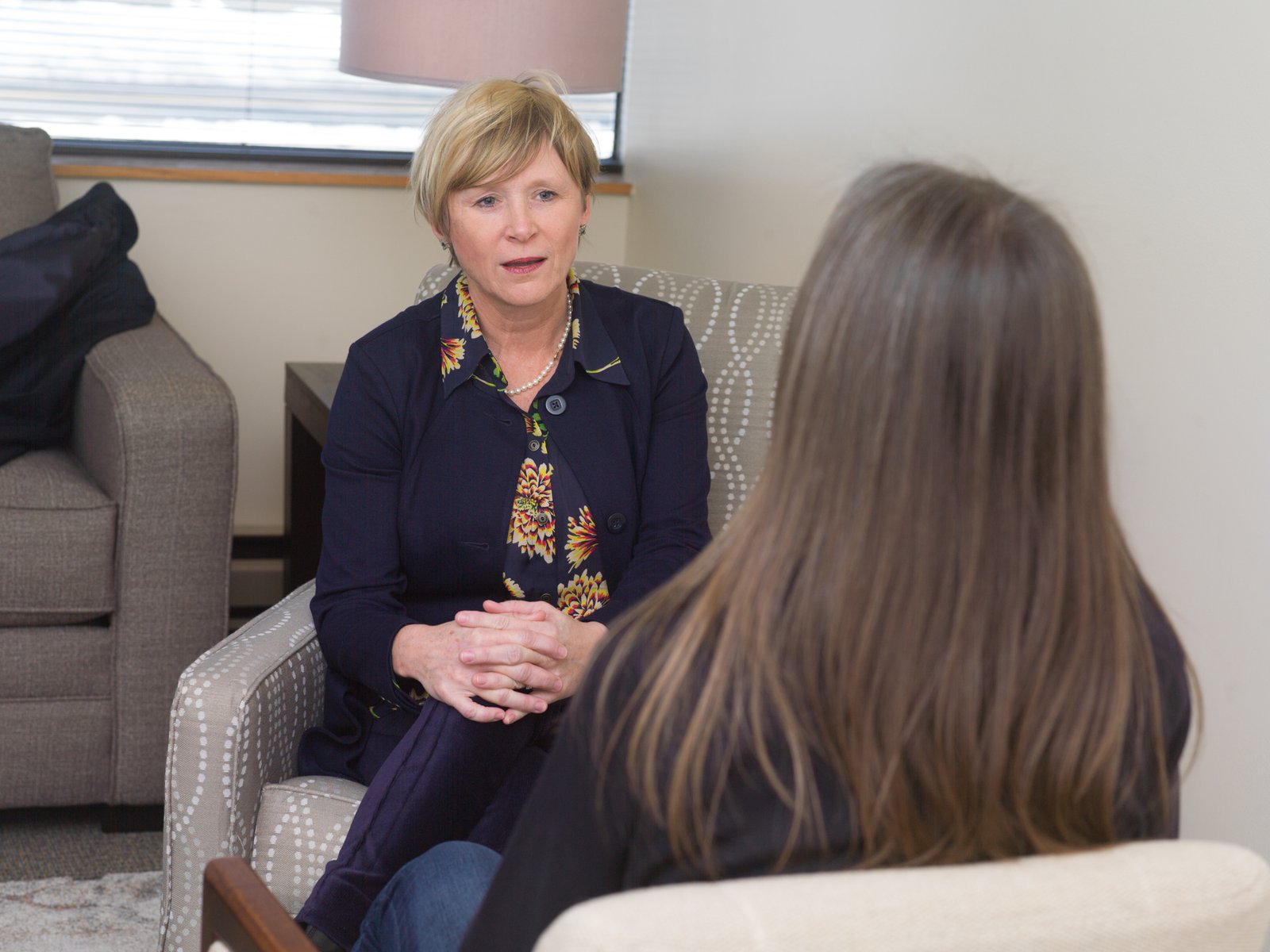
Women metabolize alcohol differently. Hormonal fluctuations throughout the menstrual cycle, pregnancy, postpartum, and menopause all influence cravings and the effects of alcohol.
Women are more likely to use alcohol to cope with anxiety, depression, trauma, or relationship stress. The connection between emotional pain and drinking is often stronger and more direct.
Expected to hold families together, excel at work, and appear effortlessly composed. Admitting to a problem feels like admitting to failure on every front.
Anxiety, depression, PTSD, eating disorders, and hormonal conditions frequently accompany substance use in women and must be treated simultaneously.
Partners, children, and extended family all affect and are affected by a woman's substance use. Treatment must address these relationship systems.
The "wine mom" culture normalizes drinking while the stigma of being a mother who drinks too much remains devastating. This contradiction keeps women trapped.
Anxiety, depression, trauma, and hormonal issues are addressed alongside the substance use — not after it stops. Asking a woman to stop drinking without addressing why she drinks is like asking her to walk on a broken leg.
Women carry enormous guilt about their drinking. Treatment creates a safe, non-judgmental environment where shame can be processed rather than reinforced.
Women's substance use often exists within a web of family relationships. Partners, children, and parents may all be affected and may all need to be part of the solution.
The goal does not have to be immediate abstinence. Some women can learn to moderate their use. Others will ultimately choose abstinence. What matters is that you define your goals and work toward them at your own pace.
Women juggling careers and families need treatment that fits into their lives. Secure telehealth sessions available throughout NY, NJ, CT, PA, and most other states.
Clinical Psychologist | Adolescent & Women's Treatment Specialist
Dr. Lori Washton is a clinical psychologist with over 25 years of experience specializing in women and families affected by substance use and co-occurring mental health conditions. As a clinical psychologist, mother, and woman balancing career and family, Dr. Washton understands the pressures that lead high-functioning women to struggle silently with alcohol, anxiety, or depression.
She addresses the specific factors that affect women differently: hormonal influences on mood and cravings, the stigma of being a mother who drinks too much, relationship dynamics, and the exhaustion of maintaining perfect appearances while falling apart inside.
Her practice is built on key principles: no abstinence requirement to begin treatment, family involvement as essential partners in the process, dual diagnosis focus, and a non-judgmental approach where any movement toward health is recognized as progress.
Struggling with alcohol doesn't make you a bad person or a bad mother. It makes you someone dealing with a real condition that responds to proper treatment. Take the first step with a confidential call.