For some, complete abstinence is essential. Why moderation doesn't work for everyone—and how to stay clean long-term.
When treating stimulant addiction—particularly cocaine or methamphetamine dependence—total abstinence from all psychoactive substances is typically the priority. This isn't just about stopping your drug of choice; it's about creating a foundation for comprehensive recovery that addresses the underlying issues driving substance use.
Why Total Abstinence Matters in Addiction Recovery
The rationale for total abstinence becomes clearer when you understand how addiction affects the brain and how recovery works. Let’s explore the specific reasons why avoiding all psychoactive substances gives you the best chance at lasting recovery.
Intoxicants Make It Harder to Resist Temptation
Any intoxicating substance strips away your inhibitions and impairs your judgment. For someone in recovery from cocaine or methamphetamine, having a few drinks dramatically increases the likelihood of using stimulants. Your carefully constructed resolve disappears when you’re intoxicated, leaving you vulnerable to impulses you would normally be able to resist.
This is why so many relapses follow a predictable pattern, as outlined in our guide to relapse warning signs and early detection: someone decides they can “just have a few drinks” at a social event, and by the end of the evening, they’ve called their drug dealer. The alcohol didn’t force them to use cocaine—it simply removed the executive function and decision-making capacity that was keeping them sober.
This principle applies regardless of which substance was your primary drug of choice. The cognitive impairment caused by any psychoactive substance compromises your ability to maintain recovery commitments.
Substituted Addictions: Trading One Problem for Another
A recovering addict or alcoholic may easily switch from one addiction to another as a way to self-medicate or cope with stress and difficult emotions. This is called substitution, and it’s remarkably common. Someone who stops using cocaine may start drinking heavily. Someone who quits alcohol may develop problems with marijuana or prescription medications.
Alcohol is particularly risky in this regard because it’s:
- Legal and widely available
- Socially acceptable and even encouraged in many settings
- Often not recognized as a “real drug” by people who think of themselves as having a “drug problem” rather than an alcohol problem
- Psychologically appealing as something you “can do” since you’re abstaining from your primary drug
The problem is that alcohol is every bit as addictive and destructive as other drugs—it just happens to be legal. If you have an addictive vulnerability that led to problems with one substance, you’re at high risk for developing problems with others. This is why understanding where you fall on the alcohol use disorder spectrum is important even if alcohol wasn’t your primary drug of choice. The NIAAA provides detailed information on how alcohol use disorders are classified and diagnosed.
Many people discover through painful experience that they haven’t overcome their addiction—they’ve simply changed which substance they’re addicted to. True recovery involves addressing the underlying issues that drive substance use, not just switching substances. Having a concrete action plan for abstinence can help you stay committed to comprehensive recovery.
Other Intoxicants Slow Your Brain’s Recovery
Stimulants like cocaine and methamphetamine have a significant impact on brain function, particularly affecting dopamine systems, executive function, and impulse control. One of the goals of addiction treatment is allowing the brain time to heal from the damage caused by chronic substance use.
However, this healing process is compromised when you continue using other intoxicating substances. While alcohol and marijuana affect the brain differently than stimulants do, they still impact neurotransmitter systems, cognitive function, and the brain’s ability to reestablish healthy patterns.
Complete abstinence from all psychoactive substances speeds up the brain’s recovery process. Your cognitive function improves more quickly, your mood stabilizes sooner, and you develop better impulse control and decision-making abilities. By contrast, continuing to use alcohol or other drugs—even if they’re not your primary drug of choice—slows this process significantly.
Think of it like trying to heal a broken leg while still occasionally jumping on it. The healing happens, but much more slowly and with greater risk of complications. Supporting your recovery with approaches like medications for alcohol problems when appropriate can help reduce cravings and protect sobriety during this critical healing period. SAMHSA offers comprehensive resources on medication-assisted treatment options.
Cross-Triggering Between Substances
Stimulant addicts often use alcohol or opiates to ease the negative side effects of stimulant use—the anxiety, paranoia, or inability to sleep that comes from cocaine or meth binges. Over time, the brain creates powerful associations between these different substances.
This means that using alcohol can trigger intense cravings for cocaine, even if you had no intention of using stimulants. The brain has learned that alcohol “goes with” cocaine, and using one activates the neurological pathways associated with the other. It’s a form of classical conditioning that happens at a neurological level, below conscious awareness.
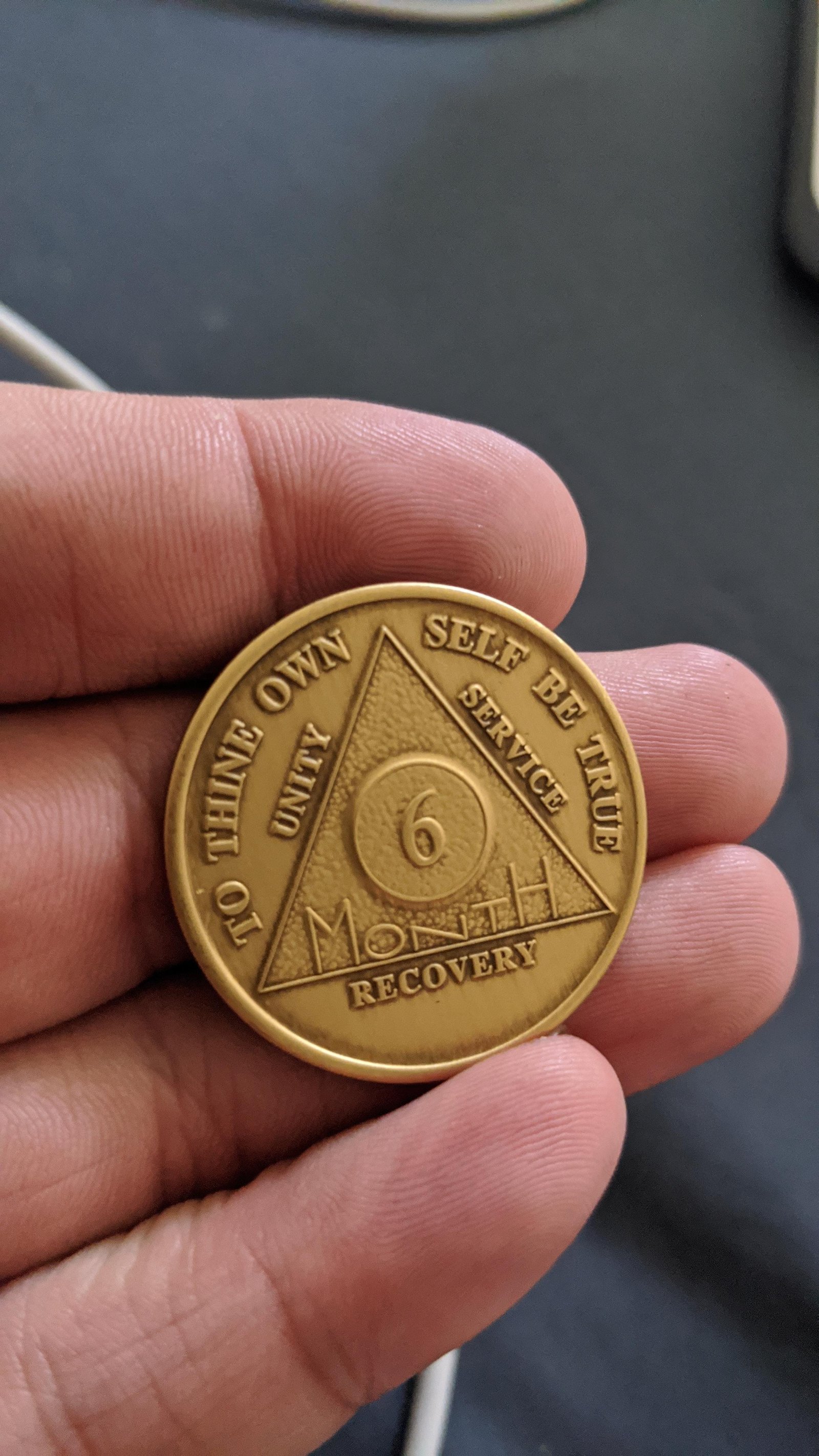
This associative triggering explains why so many relapses are preceded by alcohol consumption. Someone celebrates six months sober from cocaine by having champagne, and within hours they’re calling their dealer. They didn’t plan to use cocaine—the alcohol triggered cravings they couldn’t resist in their intoxicated state.
Breaking these associations requires extended abstinence from all substances. Over time, the brain’s pathways reorganize, and these triggers lose their power. But in early recovery, using any psychoactive substance is like playing Russian roulette with your sobriety.
The Difference Between a Slip and Full Relapse
It's important to understand the difference between a slip (a single use or brief episode) and a full relapse (return to regular use). A slip doesn't have to become a relapse if you respond appropriately:
- Acknowledge what happened honestly
- Contact your support system immediately
- Analyze what led to the slip
- Adjust your recovery plan accordingly
- Recommit to abstinence without excessive shame or self-punishment
This is quite different from someone who uses that one drink as permission to return to regular substance use. The key is honesty and immediate corrective action.
What About Alternatives to Total Abstinence?
It’s important to acknowledge that total abstinence isn’t the only approach to addressing substance problems. Some people, particularly those with less severe substance use disorders, successfully pursue moderation or harm reduction goals. Understanding whether controlled drinking is an option for you requires honest assessment and often professional guidance. Others may benefit from sobriety sampling as a way to explore their relationship with alcohol before committing to a long-term approach.
However, for stimulant addiction specifically, and for more severe alcohol use disorders, total abstinence remains the recommended approach for best outcomes. This is why having support systems in place—whether through professional treatment, peer support, or both—is so crucial.
Key Takeaways
- The Difference Between a Slip and Full Relapse
- Why Total Abstinence Matters in Addiction Recovery
- Intoxicants Make It Harder to Resist Temptation
- Substituted Addictions: Trading One Problem for Another
- Other Intoxicants Slow Your Brain's Recovery
Abstinence
Complete cessation of alcohol and drug use
Sobriety Sampling
Experimental period of abstinence to understand relationship with substances