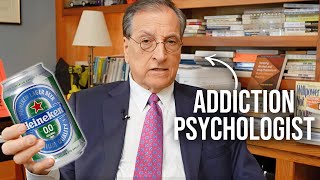
Try a period of abstinence before deciding on long-term goals. Sobriety sampling helps you understand your relationship with alcohol.
By giving abstinence a try on an experimental temporary basis, you'll get a chance to see what some of your main triggers are. You'll get an opportunity to surf the urges and the cravings that you might have for alcohol. It might present you with a unique opportunity to get through a social situation without drinking and see that you can have fun even if you're not drinking.
What You’ll Learn from Sobriety Sampling
By giving abstinence a try on an experimental temporary basis, you’ll get a chance to see what some of your main triggers are. You’ll get an opportunity to surf the urges and the cravings that you might have for alcohol. It might present you with a unique opportunity to get through a social situation without drinking and see that you can have fun even if you’re not drinking.
The insights gained from sobriety sampling are often surprising and valuable.
Understanding Your Triggers
During your sobriety sampling period, you’ll notice when cravings arise and what situations, emotions, or people trigger the urge to drink. Common triggers include:
- Time-based triggers: 5 PM, end of workday, Friday evenings
- Emotional triggers: Stress, anxiety, boredom, loneliness, anger
- Social triggers: Parties, restaurants, certain friends or family members
- Location triggers: Home alone, bars, sporting events
- Activity triggers: Watching TV, cooking, after exercise
Recognizing these triggers is crucial for developing strategies to manage them, whether you’re working toward moderation or abstinence. Learning to find your off switch and understanding how to avoid or manage triggering situations is a cornerstone of long-term success.
Experiencing Cravings Without Acting on Them
Sobriety sampling gives you practice with handling cravings in a structured way. You’ll learn that:
- Cravings are temporary—they peak and then subside
- You can tolerate discomfort without drinking
- Cravings become less intense and less frequent over time
- You have more control than you thought
This experience builds confidence and teaches valuable skills for managing urges in the future.
Discovering Hidden Self-Medication Patterns
Many people don’t realize they’ve been self-medicating with alcohol until they stop drinking. During sobriety sampling, underlying issues often become more apparent:
- Anxiety that was being dampened by alcohol
- Depression that drinking was masking
- Sleep problems that alcohol was “treating”
- Social anxiety that drinking was covering up
- Unresolved trauma or emotional pain
While this can be uncomfortable, it provides invaluable information about what you need to address in treatment beyond just reducing alcohol consumption.
Testing Social Situations Without Alcohol
A common fear is that social situations won’t be enjoyable without alcohol. Sobriety sampling lets you test this assumption. Many people discover that:
- They can have fun without drinking
- Conversations are actually better when fully present
- They don’t need alcohol to be social or interesting
- Some social situations (or people) weren’t actually enjoyable—the alcohol just masked that
- Handling social pressure to drink gets easier with practice
Assessing Physical and Mental Changes
After 2-4 weeks without alcohol, most people notice significant changes:
- Better sleep quality: Even though alcohol may help you fall asleep, it disrupts sleep architecture
- Improved energy: No more hangovers or sluggish mornings
- Mental clarity: Better focus, memory, and decision-making
- Mood improvements: Reduced anxiety and depression symptoms
- Physical benefits: Better skin, weight loss, improved digestion
- Financial savings: Awareness of how much money was spent on alcohol
These positive changes can be powerful motivators for either continued abstinence or very moderate drinking. According to the Centers for Disease Control and Prevention, even reducing alcohol intake can lead to significant health improvements. The NIAAA’s Rethinking Drinking guide provides helpful benchmarks for understanding what constitutes moderate drinking.
Not a Lifetime Commitment
Sobriety Sampling does not mean someone is committing themselves to never drinking again, but the idea is let’s see how much information we can extract from this brief temporary period where you’re not drinking anything at all for say 2 to 4 weeks.
This is what makes sobriety sampling so approachable. It’s an experiment, not a vow. You’re not declaring yourself “an alcoholic” or committing to permanent abstinence. You’re simply gathering data about your relationship with alcohol. After the sampling period, you can make informed decisions about whether to:
- Continue abstinence because it feels better than expected, potentially staying drug-free long-term
- Pursue controlled drinking strategies
- Extend the experiment to gather more information
- Return to drinking with new awareness and boundaries
- Seek professional treatment based on what you learned
How to Structure Your Sobriety Sampling Experiment
To get the most benefit from sobriety sampling, approach it systematically:
- Set a clear timeframe: 14-30 days is typical; choose a specific start and end date
- Ensure safety: Consult a doctor if you have concerns about withdrawal
- Keep a journal: Track cravings, triggers, mood, sleep, and observations
- Tell someone: Accountability helps; share your experiment with a trusted person
- Plan for challenges: Identify high-risk situations in advance and prepare strategies
- Schedule a review: Plan to evaluate what you learned at the end
Possible Outcomes
”This Was Easier Than Expected”
Some people discover that abstinence is more manageable than they anticipated. The anticipated suffering doesn’t materialize, and they find themselves feeling better than they have in years. This often motivates continued abstinence or very careful moderation.
”This Was Harder Than Expected”
Others find sobriety sampling more challenging than anticipated. This is valuable information too—it suggests that your relationship with alcohol may be more problematic than you realized, and professional support might be beneficial. You may want to consider creating a full action plan for abstinence, or contact the SAMHSA National Helpline for free referrals.
”I Learned What I Need to Work On”
Many people discover underlying issues—anxiety, depression, trauma, relationship problems—that they’ve been self-medicating with alcohol. This awareness motivates them to seek therapy or other support to address these root causes, including harm reduction approaches that meet people where they are.
Key Takeaways
- What You'll Learn from Sobriety Sampling
- Understanding Your Triggers
- Experiencing Cravings Without Acting on Them
- Discovering Hidden Self-Medication Patterns
- Testing Social Situations Without Alcohol
Abstinence
Complete cessation of alcohol and drug use
Sobriety Sampling
Experimental period of abstinence to understand relationship with substances