Pills that help you drink less or quit entirely: Antabuse, Naltrexone, and newer medications. How they work, side effects, and who benefits most.
Antabuse is a very old medication that has a very simple modus operandi. If you take an Antabuse pill in the morning, it's like swallowing an aspirin. It doesn't do anything, and you don't feel anything. But if you should drink within about 48 hours after taking that pill, you'll get sick. You'll feel horrible, nauseous, vomit, etc.
Antabuse: A Classic Deterrent Medication
Antabuse is a very old medication that has a very simple modus operandi. If you take an Antabuse pill in the morning, it’s like swallowing an aspirin. It doesn’t do anything, and you don’t feel anything. But if you should drink within about 48 hours after taking that pill, you’ll get sick. You’ll feel horrible, nauseous, vomit, etc.
Also known by its generic name disulfiram, Antabuse has been used since the 1950s to support alcohol abstinence. It works by blocking the enzyme that breaks down alcohol in your body, causing a buildup of acetaldehyde—a toxic substance that produces extremely unpleasant symptoms when combined with alcohol.
How Antabuse Works
The purpose is not to be on Antabuse and make yourself sick. But knowing that that can happen frees you to not have to think about alcohol and helps you to control your impulse to drink. Taking Antabuse on a daily basis can be a very effective way to jumpstart abstinence for people who want to stop drinking. It works well for those who are concerned that they may not have the impulse control to get even a few days of abstinence without the benefit of something like Antabuse.
This medication is particularly helpful for people who struggle with handling cravings in early recovery. By creating a physical barrier to drinking, Antabuse removes the option of impulsive drinking, allowing you to build other coping skills and recovery habits.
Using Antabuse Situationally
Antabuse can also be used situationally. If someone knows they’re going into a high-risk situation where they’ve stopped drinking for a while and now they’re concerned they’re going to go into “lion’s den,” they could use Antabuse to get through it without returning to drinking. A patient of mine who had an upcoming bachelor party to go to, decided to take Antabuse the day before the bachelor party so that he would resist the temptation to drink. It worked well for him but he doesn’t take the Antabuse otherwise on a daily basis.
This strategic use of Antabuse is part of effective relapse prevention planning. Recognizing relapse warning signs and having tools like Antabuse available for high-risk situations can be the difference between maintaining sobriety and experiencing a slip.
Naltrexone: A Popular But Limited Option
And then there’s Naltrexone which is probably the most popularized of these medications which can reduce the craving, the desire to drink or limit the amount somebody drinks. In my experience it only works in less than about a third of cases. The majority of people don’t get that benefit from it, but it’s a pretty benign drug that doesn’t have much in the way of side effects and so it’s often worth a try to see if somebody will respond.
Naltrexone works by blocking opioid receptors in the brain, which reduces the pleasurable effects of alcohol and decreases cravings. It’s FDA-approved for treating alcohol use disorder and is available in both daily pill form and a monthly injection (Vivitrol).
While naltrexone doesn’t work for everyone, those who do respond to it often find it helpful for supporting moderate drinking goals or maintaining abstinence. It’s particularly useful for people trying to determine whether moderate drinking is a realistic option, as it can help reduce the compulsion to drink excessively.
Why Many Don’t Continue Naltrexone
I don’t have many patients who take that medication for very long because they don’t find it particularly helpful. With the availability of these other newer drugs that work a lot better, I think they tend to be more the option of choice, although those medications can be quite expensive and that’s a limiting factor.
The cost-benefit analysis is important when considering medications for alcohol problems. While naltrexone is generally less expensive and covered by most insurance plans, the newer GLP-1 medications may be more effective but come with a much higher price tag and less consistent insurance coverage.
FDA-Approved Medications for Alcohol Problems
- Antabuse (Disulfiram): Creates a deterrent effect by causing illness if you drink
- Naltrexone (ReVia, Vivitrol): Reduces cravings and the pleasurable effects of alcohol
- Acamprosate (Campral): Helps restore brain chemistry and reduce post-acute withdrawal symptoms
GLP-1 Agonists: The New Frontier
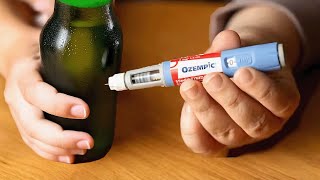
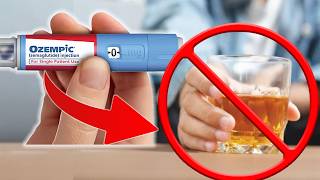
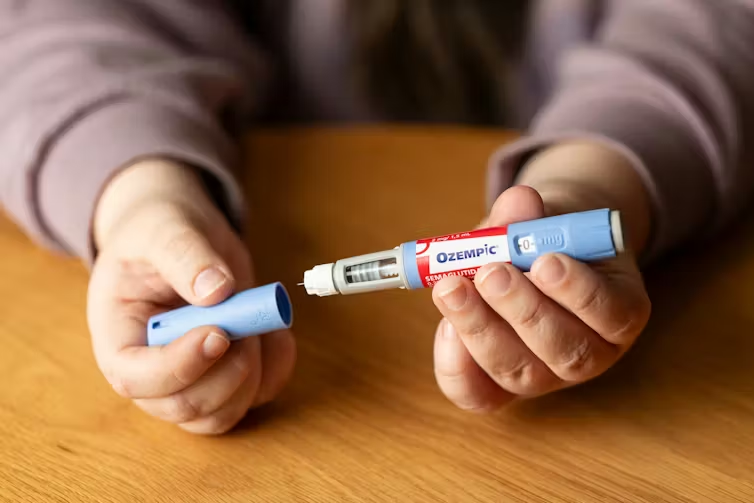
Newer medications like GLP-1 agonists (including medications like Ozempic and Wegovy, originally developed for diabetes and weight loss) have shown promising results for reducing alcohol cravings in some patients. Research is ongoing, but early results suggest these medications may help reduce the desire to drink.
The Research on GLP-1s for Alcohol
Studies are showing that GLP-1 medications may reduce alcohol consumption by affecting the brain’s reward pathways. Patients taking these medications for other conditions have reported decreased interest in drinking alcohol. However, these medications are not yet FDA-approved specifically for alcohol use disorder.
Who Should Consider Medication for Alcohol Problems?
Medication-assisted treatment, as part of a structured recovery program, may be particularly helpful if you:
- Have moderate to severe alcohol use disorder
- Experience strong cravings that interfere with recovery efforts
- Have difficulty getting through the early stages of abstinence
- Are facing high-risk situations that may trigger relapse
- Have not been successful with behavioral treatment alone
- Want additional support while working on underlying issues
Medications Work Best with Therapy
As SAMHSA’s guidance on medication-assisted treatment emphasizes, medications are most effective when combined with therapy and behavioral support. Medication alone rarely addresses the underlying issues that drive problematic drinking. The most successful outcomes typically involve:
- Medication to reduce cravings or create a deterrent
- Individual therapy to address underlying issues
- Group therapy for accountability and connection
- Lifestyle changes to support recovery
- Ongoing monitoring and adjustment of treatment
Key Takeaways
- Antabuse: A Classic Deterrent Medication
- How Antabuse Works
- Using Antabuse Situationally
- GLP-1 Agonists: The New Frontier
- The Research on GLP-1s for Alcohol
Abstinence
Complete cessation of alcohol and drug use
Antabuse (Disulfiram)
A medication that creates a deterrent effect by causing unpleasant symptoms if alcohol is consumed
Naltrexone
A medication that blocks opioid receptors to reduce alcohol cravings and the pleasurable effects of drinking
Frequently Asked Questions
What medications are available for alcohol problems?
FDA-approved medications include naltrexone (reduces cravings), acamprosate (helps restore brain chemistry), and Antabuse (creates deterrent effect). GLP-1 medications like Ozempic may also help reduce alcohol cravings.
Do I need a prescription for these medications?
Yes, all medications for alcohol problems require a prescription from a licensed healthcare provider, and it’s essential to understand potential interactions between alcohol and prescription drugs. Dr. Washton can discuss medication options and refer you to appropriate medical providers.
Can I take medication without therapy?
While medication can be helpful on its own, research shows that combining medication with therapy produces the best outcomes. Medication addresses the physical aspects of addiction while therapy addresses the psychological and behavioral components.