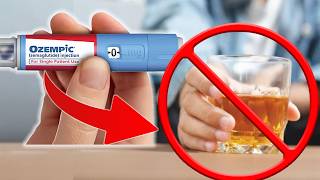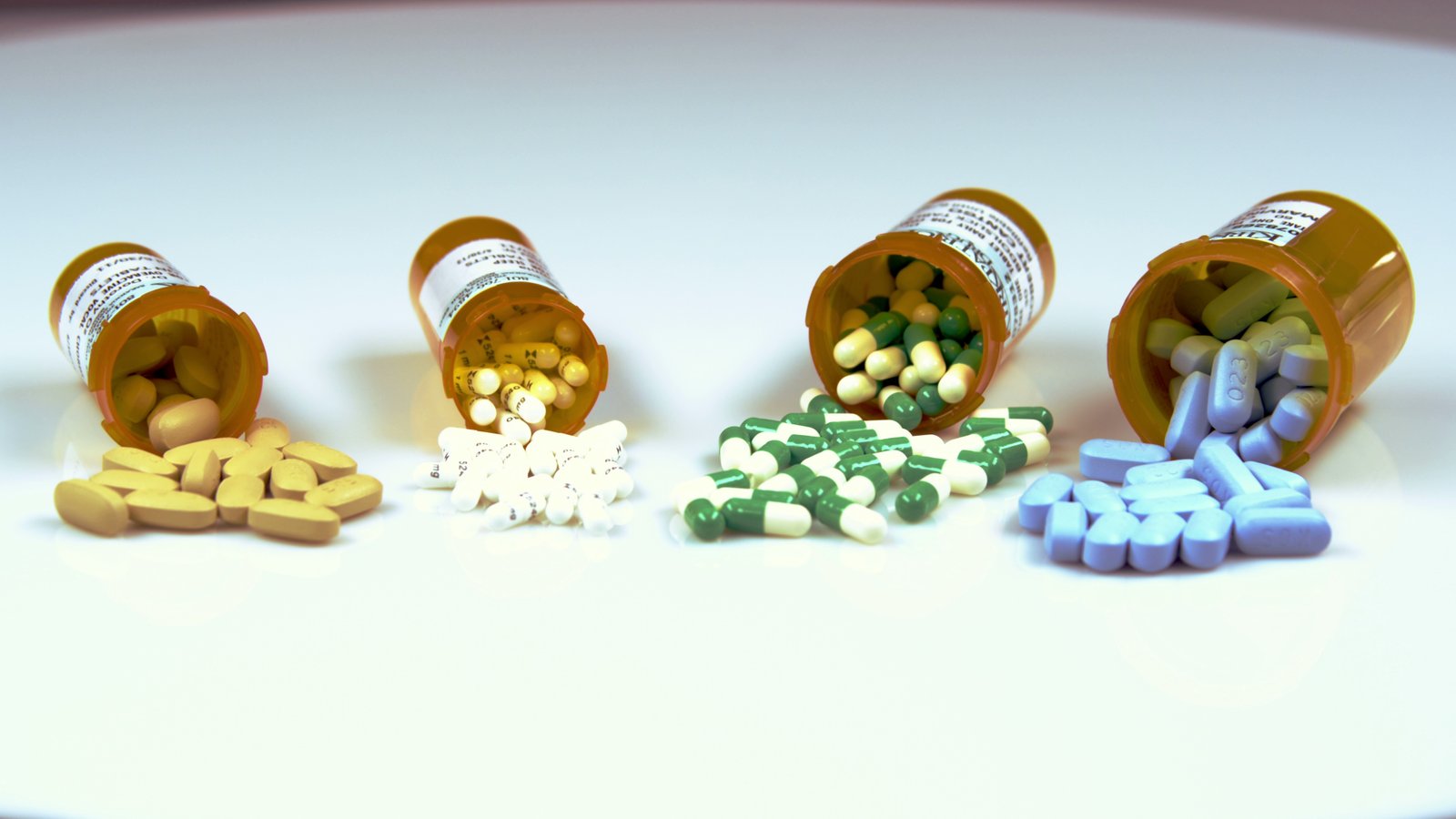
Mixing alcohol with prescription medications? The combinations that can be dangerous and how to stay safe.
The practice of mixing alcohol and prescription drugs is alarmingly common and extraordinarily dangerous. Even without addiction to either substance, combining alcohol with certain medications can greatly increase the risk of illness, serious injury, and death. Many people don't realize that medications they take daily—including common prescriptions and even over-the-counter drugs—can have severe adverse reactions when combined with alcohol.
Why Combining Alcohol and Prescription Drugs Is So Dangerous
Alcohol is a central nervous system depressant that affects nearly every organ system in your body. The FDA warns that mixing alcohol with medicines can be harmful. When you add prescription medications to the mix—especially those that also affect the central nervous system—you create potentially deadly interactions that can:
- Intensify the effects of either substance beyond safe levels
- Create entirely new and unexpected effects
- Reduce the effectiveness of medications
- Cause liver damage or failure
- Lead to respiratory depression and death
- Increase fall risk and accidents
- Trigger dangerous cardiovascular events
According to the National Institute on Alcohol Abuse and Alcoholism, older adults are at particularly high risk because they’re more likely to take multiple medications and their bodies process alcohol and drugs more slowly. If you’re over 50, our article on drinking problems later in life addresses these unique vulnerabilities. However, dangerous interactions can occur at any age.
How Alcohol Interacts with Medications
Alcohol interacts with medications through several mechanisms:
- Additive effects: Both alcohol and the medication depress the central nervous system, creating a combined effect much stronger than either alone
- Metabolism competition: Your liver must process both alcohol and medications, which can lead to toxic levels of either substance building up in your system
- Enhanced side effects: Alcohol can amplify medication side effects like drowsiness, dizziness, or impaired judgment
- Reduced effectiveness: Alcohol can make medications less effective or completely ineffective
- Toxicity: Some combinations create toxic metabolites that damage organs, particularly the liver
Understanding the alcohol use disorder spectrum helps contextualize why even moderate drinking can be problematic when taking certain medications—it’s not just about addiction, but about the pharmacological dangers of combining substances.
Medications That Should Never Be Mixed with Alcohol
While many medications interact dangerously with alcohol, some combinations are particularly lethal and should be avoided completely.
Opioid Pain Medications
Combining alcohol with opioid painkillers like oxycodone (OxyContin), hydrocodone (Vicodin), morphine, or codeine is extremely dangerous. Both are central nervous system depressants, and together they can:
- Cause severe respiratory depression (breathing slows or stops)
- Lead to unconsciousness
- Result in overdose and death
- Dramatically increase addiction risk
The opioid epidemic has been fueled in part by people mixing these medications with alcohol, either accidentally or intentionally. Many fatal overdoses involve both opioids and alcohol rather than opioids alone. Understanding how medications work in the body can help prevent these tragic combinations.
Benzodiazepines (Anti-Anxiety Medications)
Benzodiazepines like Xanax (alprazolam), Ativan (lorazepam), Valium (diazepam), and Klonopin (clonazepam) should never be combined with alcohol. This combination can cause:
- Extreme sedation and loss of consciousness
- Respiratory depression
- Memory blackouts
- Impaired motor function and accidents
- Increased risk of overdose death
Even small amounts of alcohol with benzodiazepines can be deadly. This is one of the most dangerous drug combinations possible.
Sleep Medications
Prescription sleep aids like Ambien (zolpidem), Lunesta (eszopiclone), and Sonata (zaleplon) are dangerous when mixed with alcohol because:
- Both cause sedation, leading to excessive drowsiness
- The combination impairs judgment and motor skills severely
- People may engage in dangerous sleepwalking behaviors
- Risk of falls, accidents, and injuries increases dramatically
- Respiratory depression can occur
Many people drink alcohol to help them sleep and then take a sleep medication when the alcohol isn’t enough—this is a recipe for disaster.
Antidepressants and Mood Stabilizers
Mixing alcohol with antidepressants (SSRIs, SNRIs, MAOIs, tricyclics) or mood stabilizers can:
- Worsen depression and suicidal thoughts
- Cause dangerous blood pressure changes
- Increase sedation and impairment
- Trigger seizures (particularly with bupropion/Wellbutrin)
- Reduce medication effectiveness
- Cause severe side effects like confusion and coordination problems
For people managing mental health conditions, alcohol can undermine treatment effectiveness and trigger dangerous mood episodes. This is why many people benefit from sobriety sampling to see how their mental health improves without alcohol. The Mayo Clinic’s overview of alcohol use disorder provides additional context on how alcohol affects mental health conditions.
Blood Thinners and Heart Medications
Alcohol interferes with blood-thinning medications like warfarin (Coumadin), increasing the risk of:
- Dangerous bleeding or hemorrhage
- Stroke
- Blood clots if alcohol reduces medication effectiveness
With blood pressure medications, alcohol can cause excessive blood pressure drops leading to dizziness, fainting, falls, and cardiovascular complications.
Who Is at Greatest Risk?
- Older adults: Slower metabolism, more medications, increased sensitivity
- Women: Generally metabolize alcohol more slowly than men
- People on multiple medications: More potential for dangerous interactions
- Those with liver or kidney problems: Reduced ability to process substances
- High-functioning professionals: May be managing both regular alcohol consumption and prescription medications
What to Do If You Take Prescription Medications
- Read all medication labels: Look for warnings about alcohol interactions
- Ask your doctor and pharmacist: About any medication’s interaction with alcohol
- Be honest about your drinking: Your healthcare providers need accurate information to keep you safe
- Consider reducing or stopping alcohol: If you take medications that interact dangerously
- Seek help if needed: If you’re having trouble reducing alcohol while on medications, learn about medications that can help with alcohol problems
Key Takeaways
- Mixing alcohol with prescription drugs is extremely dangerous and can be fatal
- Opioids, benzodiazepines, and sleep medications are especially dangerous with alcohol
- Alcohol can reduce medication effectiveness and worsen underlying conditions
- Always consult healthcare providers about alcohol interactions with your medications
- Consider reducing or eliminating alcohol if you take medications with dangerous interactions
Abstinence
Complete cessation of alcohol and drug use
Central Nervous System Depressant
A substance that slows brain activity, affecting breathing, heart rate, and consciousness. Both alcohol and many prescription medications fall into this category.